Creativity as a common language
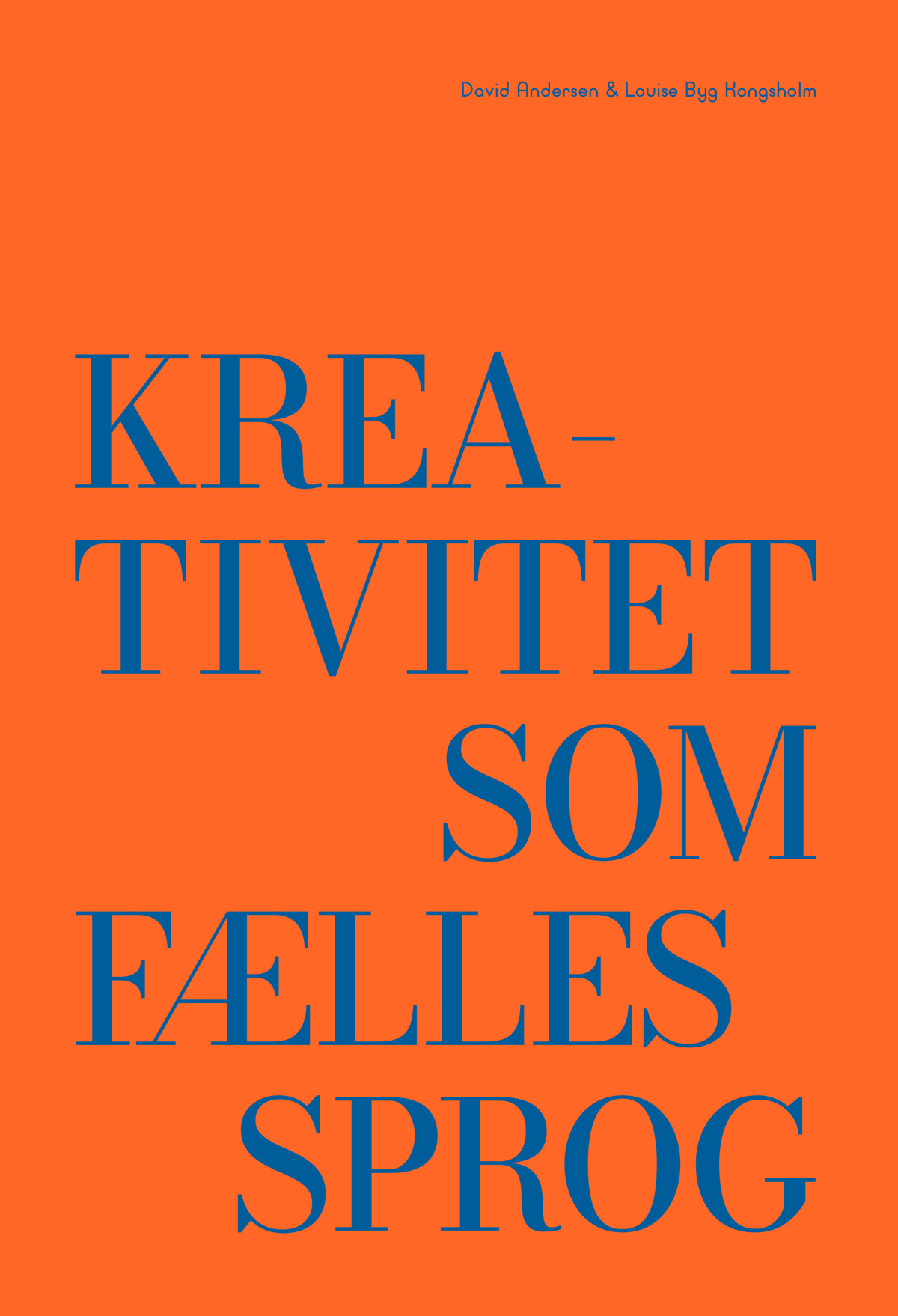
The book opens the door to the processes through which ideas become concrete solutions. It shows how design can be used as a method and mindset across industries—from couture and royal projects to products and concepts that become part of our shared design culture.
David Andersen shares experiences from his practice and shows how aesthetics, strategy, materials, and identity are woven together when creating something new. The book provides insight into collaborations where different disciplines meet and elevate each other, and it shows how design methods can create a clear direction in development, innovation, and management.
Editor Louise Byg Kongsholm has compiled interviews, case studies, and reflections in a publication that makes creativity tangible and useful for designers, managers, concept developers, educators, and others who work with development. The book invites the reader into a world where courage, curiosity, and conscious choices create meaningful solutions—and where design functions as a language that connects people and ideas.

Creativity as a common language
The book opens the door to the processes through which ideas become concrete solutions. It shows how design can be used as a method and mindset across industries—from couture and royal projects to products and concepts that become part of our shared design culture.
David Andersen shares experiences from his practice and shows how aesthetics, strategy, materials, and identity are woven together when creating something new. The book provides insight into collaborations where different disciplines meet and elevate each other, and it shows how design methods can create a clear direction in development, innovation, and management.
Editor Louise Byg Kongsholm has compiled interviews, case studies, and reflections in a publication that makes creativity tangible and useful for designers, managers, concept developers, educators, and others who work with development. The book invites the reader into a world where courage, curiosity, and conscious choices create meaningful solutions—and where design functions as a language that connects people and ideas.
Creativity as a common language
A small selection of the publication's many inspiring interviews
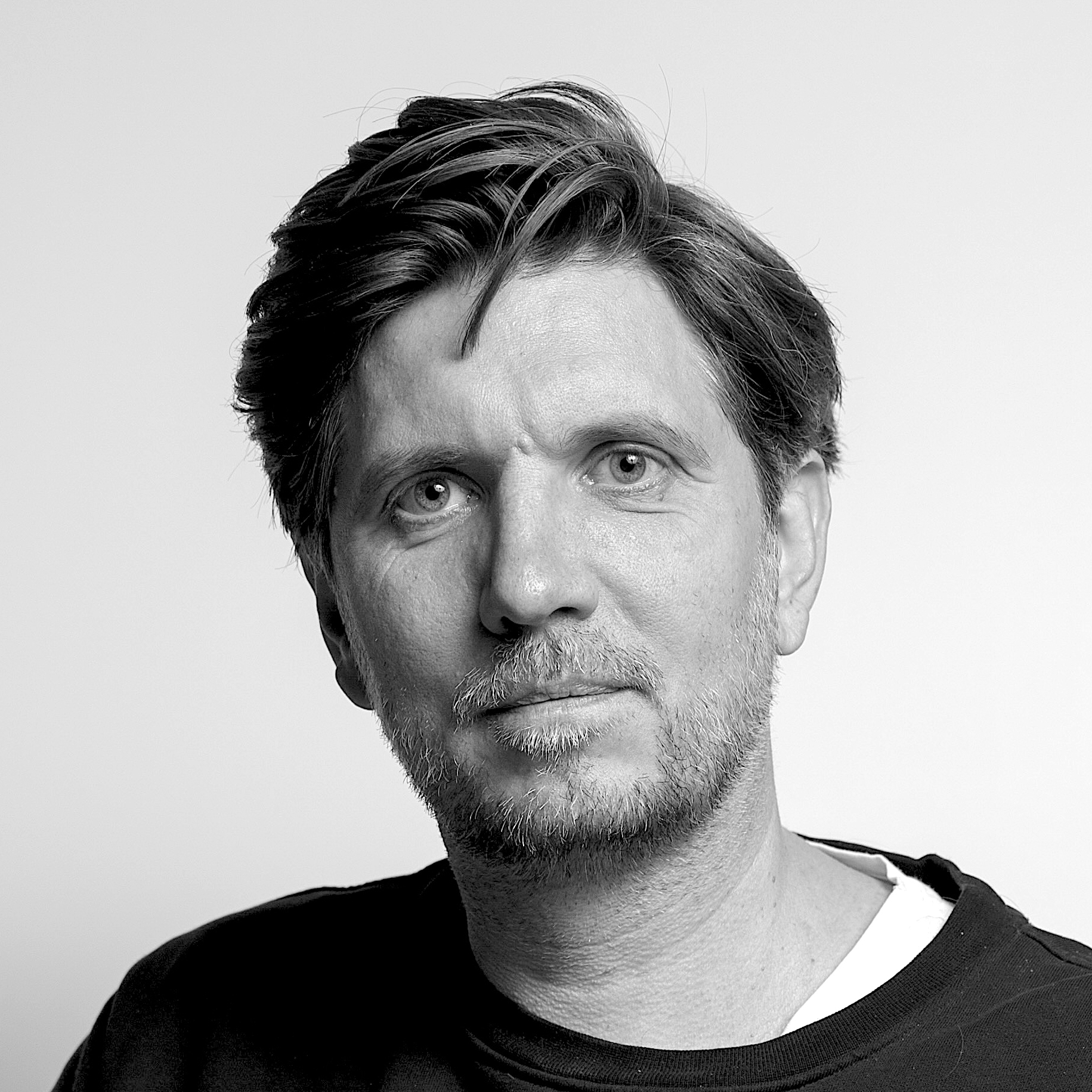
How do you see the balance between creativity and business in design work?
“Over the years, I have learned that design and business are two sides of the same coin. When I was younger, I was more naive, but experience has shown me that design is not the center of the world, but a crucial part of business. Design thinks in new and long-term ways, while business often thinks in the short term, e.g., how to pay salaries next quarter. The tension between these two poles generates creative energy, and the challenge is to drive long-term change while keeping the business running.
Numbers, analyses, and insights are important, but they are historical. They show what has worked, not what is needed going forward. Change requires someone who communicates, sets the direction, and takes responsibility. Driving processes is hard work, and it may seem more attractive to just design. But in the long run, that doesn't work. You have to think both short and long term: What sells now, and what will create future growth? The same applies to sustainability.
A product can be as sustainable as you like, but if it is too expensive or unusable, it will not bring about the desired change. I enjoy working in the tension between creativity and business.”
– Michael König, design manager and independent consultant
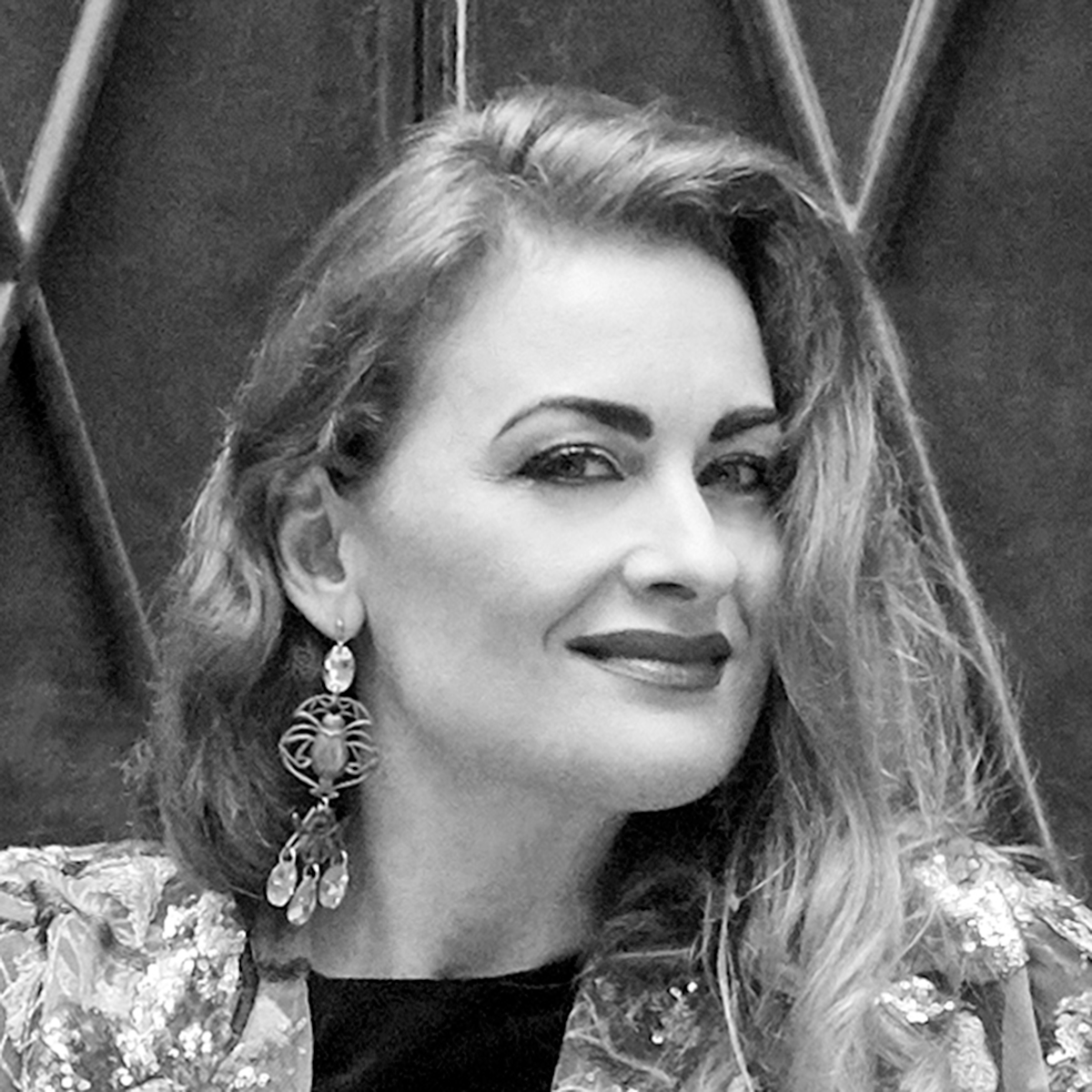
What is your unique approach to creativity and innovation?
“An enthusiasm for and fascination with the extravagant and exclusive, combined with the playful, humorous, and devil-may-care. The grand, the beautiful, the lovely, and the magnificent—but also the dangerous, secret, daring, and forbidden. Creating something that can transport us to the more sublime, adventurous, wild, and abstract. The grace and rich diversity of nature, with its organic forms and insects, has influenced me, along with the expressive and dramatic universe of theater. Like a magical mixture of fantasy and dreams. An aesthetic language with a great love of materials, craftsmanship, and beauty. Wanting to create something that you think is missing. A desire and a fire: an inspiration that burns and must be released and tamed by intuition.”
– Zarah Voigt, jewelry artist
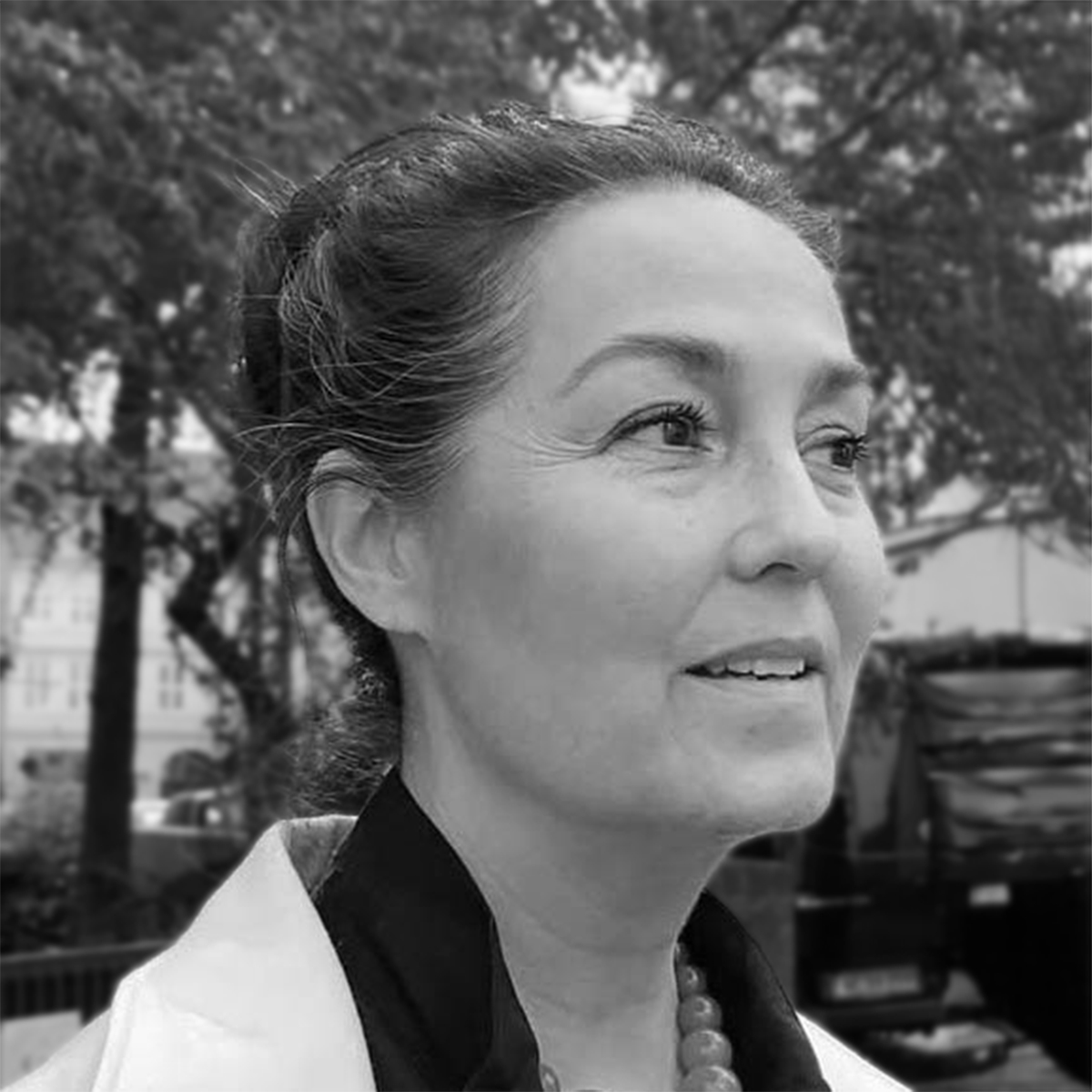
How do your ideas come about – and what sparks them?
“How creative ideas arise is, fortunately, still one of life’s mysteries, and I think we are best off leaving it that way. An idea is a conscious thought about something, and for that thought to become a good idea, I believe it must be a recognition of a need. That need then begins to search my knowledge or experience for possible solutions. The conscious thought thus seeks ways or methods to materialize the idea.
I clearly experience that ideas arise when there is room for them. This happens when I consciously take breaks from outside impressions. During these breaks, when my thoughts are simply listening, the ideas are heard. A break does not have to be long or take place far from civilization, but is more of a state of being where I am present without obligation. It can be the half hour from when I wake up until I start interacting with the world, a walk in the woods, or time without radio, phone, or appointments. I live in the countryside and sometimes end up in traffic jams or at a small train station, and I have learned to see that waiting time as little free breaks where I am just present and let my thoughts drift, instead of making a call or arranging an appointment."
– Pil Bredahl, designer, curator, and design communicator
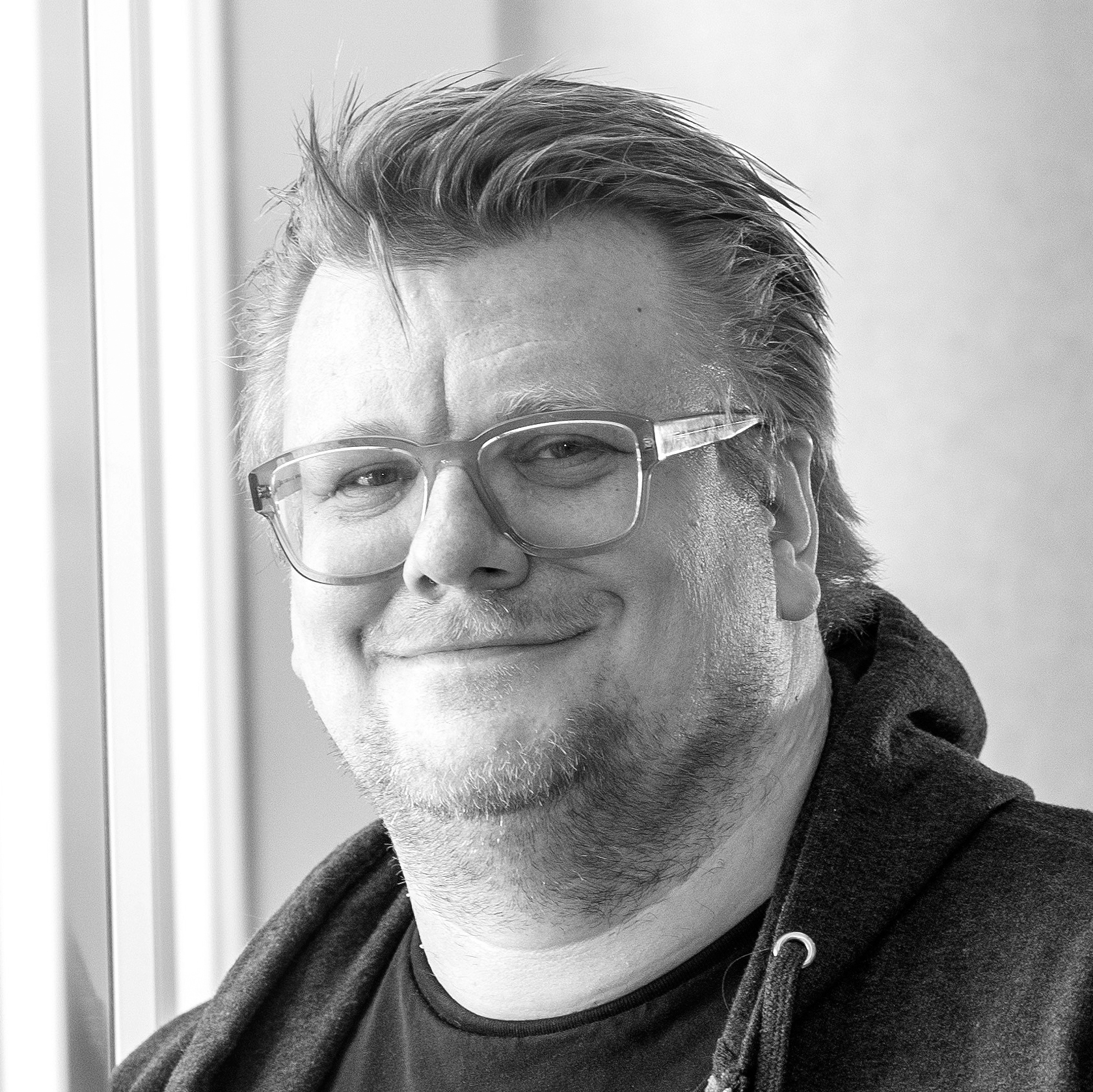
What role do collaboration and interdisciplinarity play in your work?
“One of the amazing things about film is that it’s always a team effort. You can’t make a film on your own. No matter how strong my ideas are, the result only becomes interesting when it meets other people’s thoughts, skills, and creative vision. That’s why collaboration with the director, editor, composer, and my own sound team is so crucial. On the sound side alone, there can be anywhere from five to fifteen, sometimes twenty people involved. This means that there are many of us developing and shaping the sound universe, and I love it. I get input that I would never have thought of myself. The others open up new avenues that I could not have found on my own. That's also what makes the work so inspiring: that you are constantly challenged and moved by other people's ideas. That said, there are also parts of the process where I work completely alone. Small and closed tasks require calm and full focus—a concentration where I can dive into details and experiment. That phase is important to me, but at the same time, I find that the creative forces really come into play when there are several of us working on the task. It is the balance between the two states that creates the whole: immersion alone and energy in the community.”
– Peter Albrechtsen, sound designer
Who is behind the publication?
David Andersen
David Andersen is a Danish designer and creative director with over 15 years of international experience in the field between aesthetics and strategy. Educated at The Glasgow School of Art and the Fashion Design Academy in Copenhagen, he works across couture, product design, brand storytelling, and communication.
He has held senior positions at Rosendahl Design Group, KC Fur, Outfit International, and Global Equestrian Group, where he has used design to develop identity, culture, and commercial value. He has collaborated with brands such as Ecco, Batavus, Bianco, and Ege Carpets, and created material for the Science Museum London.
David has received several awards and has been a member of both the Red Dot Award committee and the Formland Design Award jury for over 12 years. He is also an examiner for the Danish Examiner Corps. His work is characterized by a desire to unite form, narrative, and sustainable development.
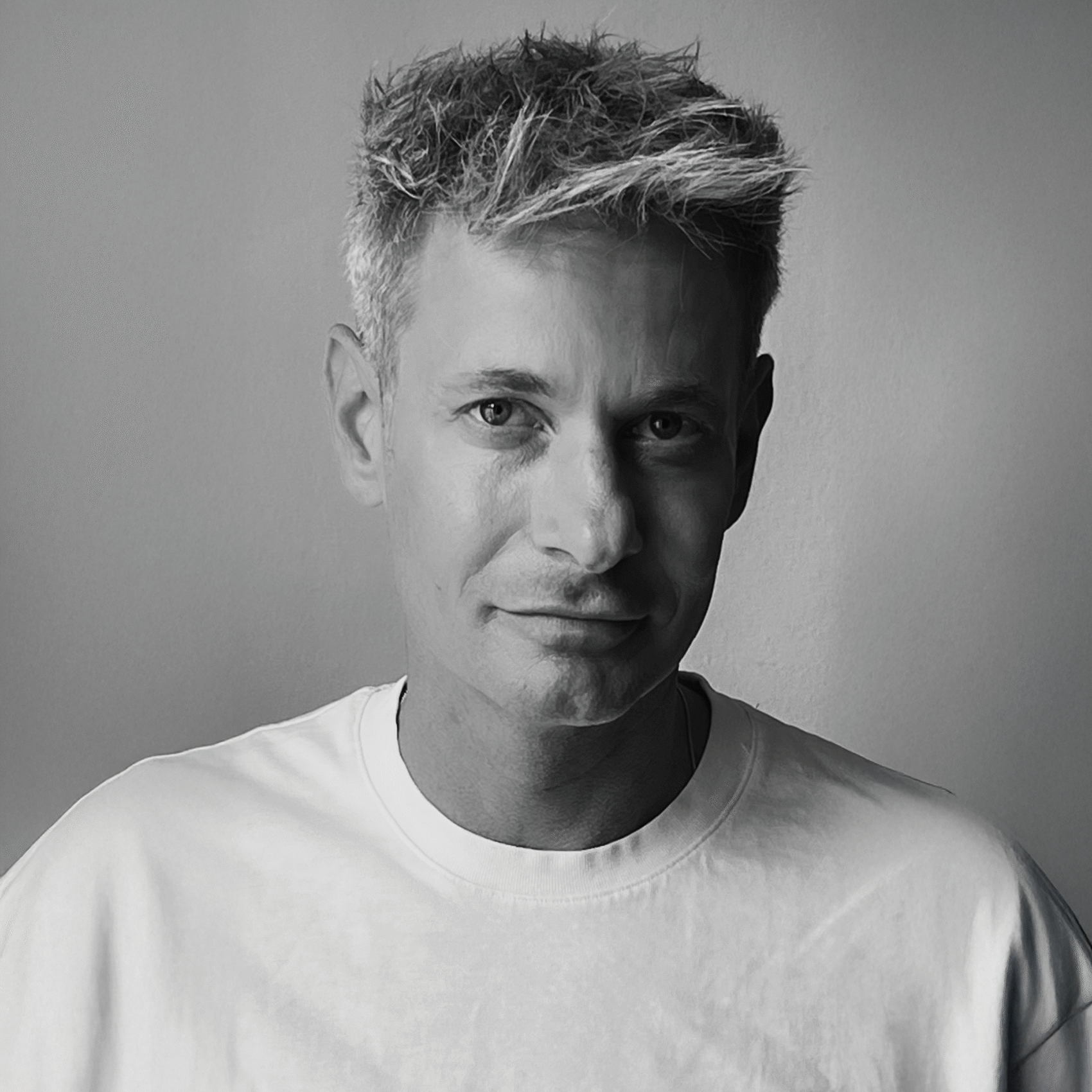
Louise Byg Kongsholm
Louise Byg Kongsholm is a trend researcher, author, and lecturer with more than 20 years of experience in translating consumer behavior and social trends into strategic tools. As CEO and owner of pej gruppen , she pej gruppen one of the Nordic region's strongest companies in trend research and commercial insight and sits on several Danish boards.
She works at the intersection of data, culture, and the market, advising companies seeking direction in a complex reality. Louise is the author of numerous publications on trends, consumer behaviour retail, and is often quoted in Danish and international Media.
As editor-in-chief of several of the pej group's publications, she disseminates knowledge to professionals in the design, lifestyle, food, and retail industries. She is a sought-after speaker and known for her clear analytical eye and communication style, which makes trends concrete and useful for decision-makers.
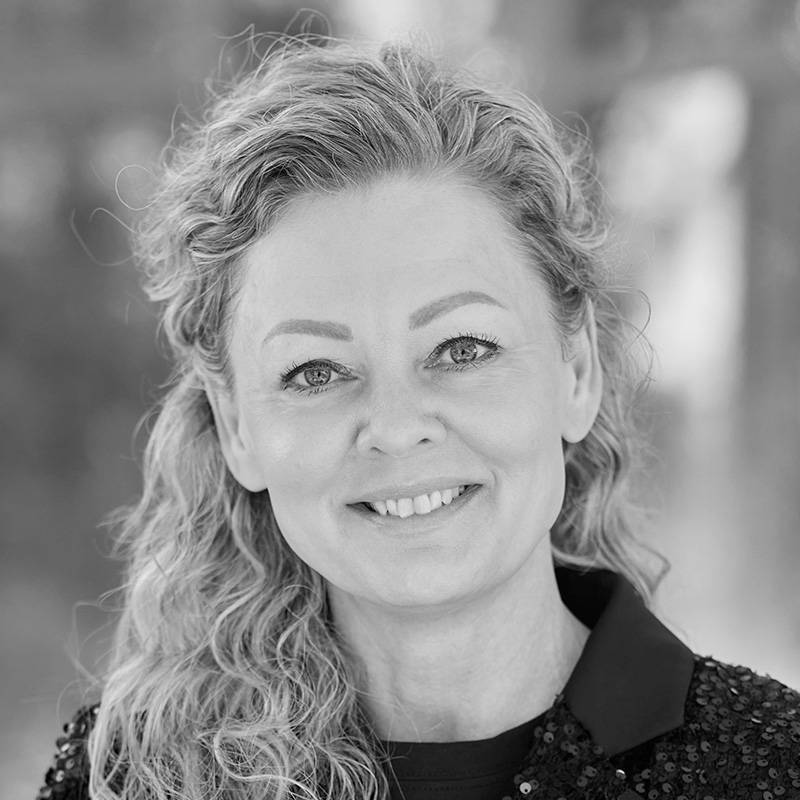
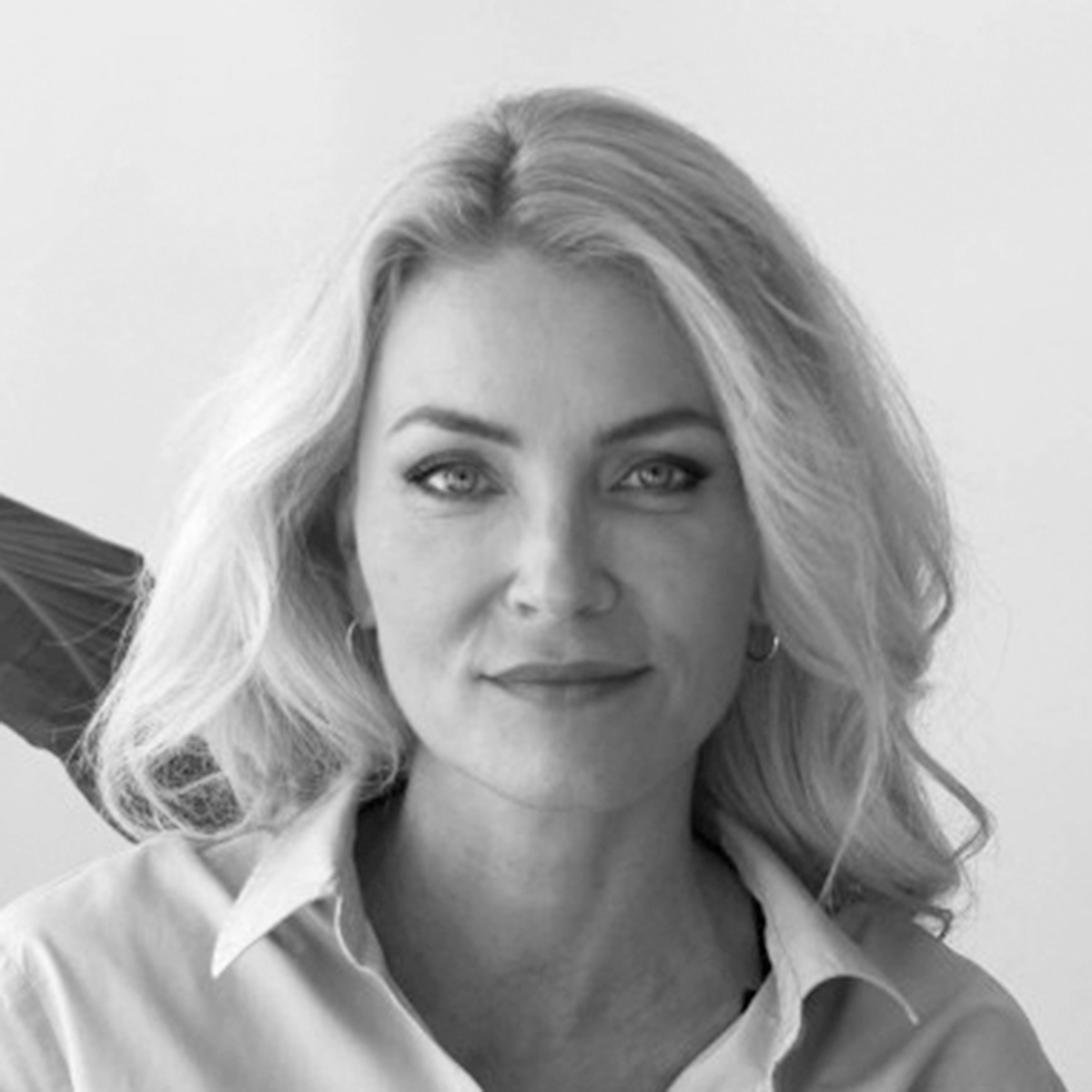
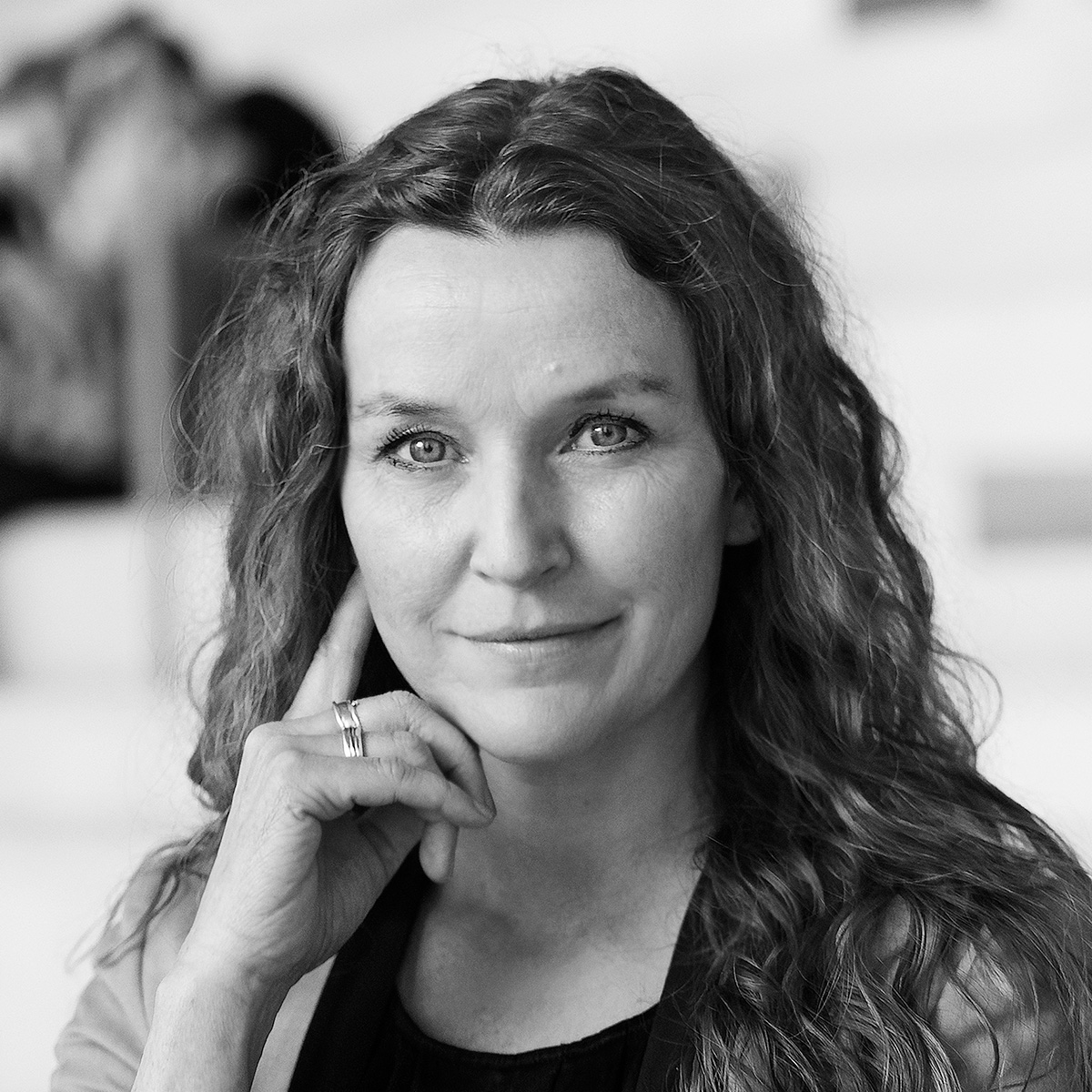
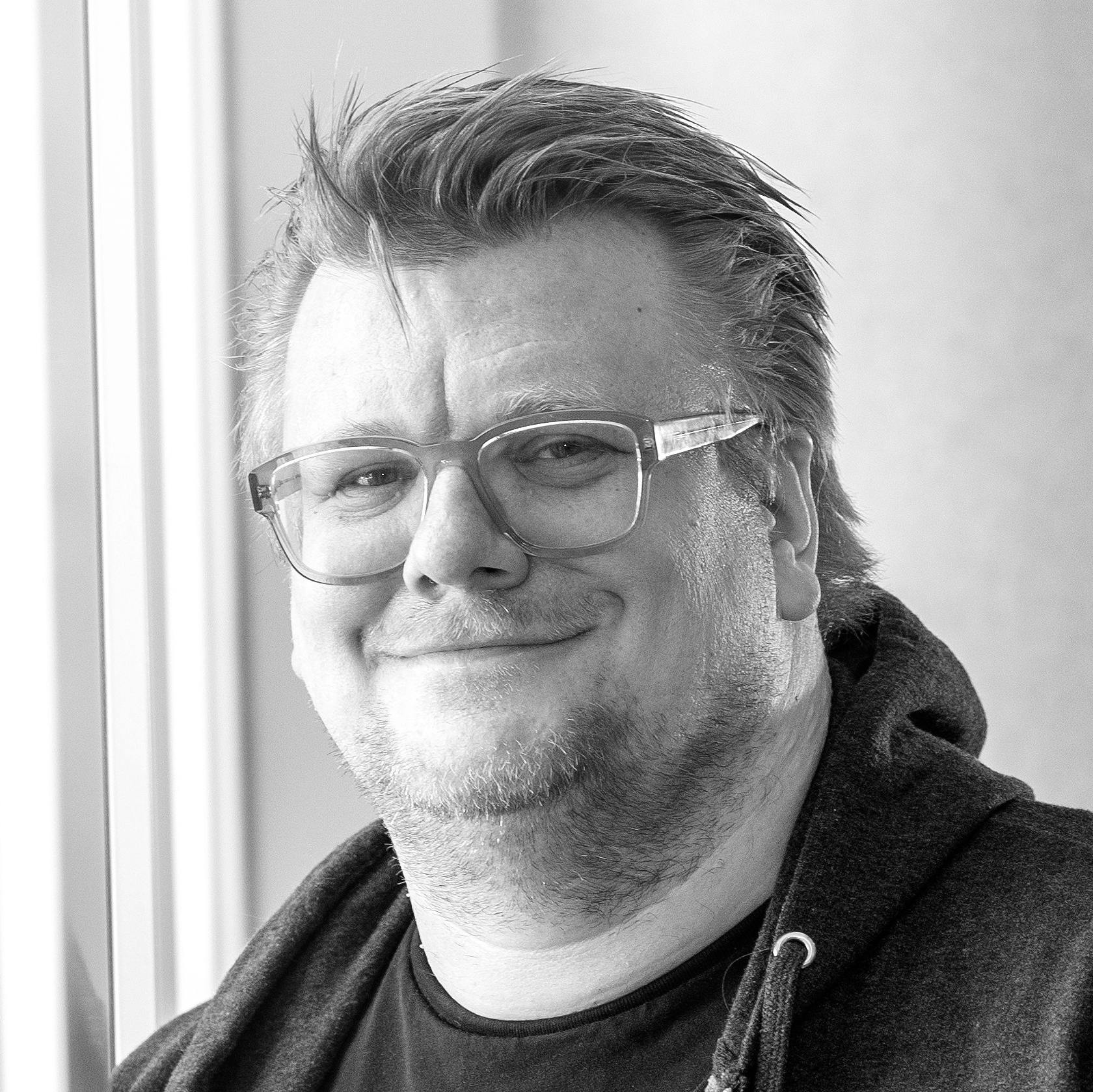
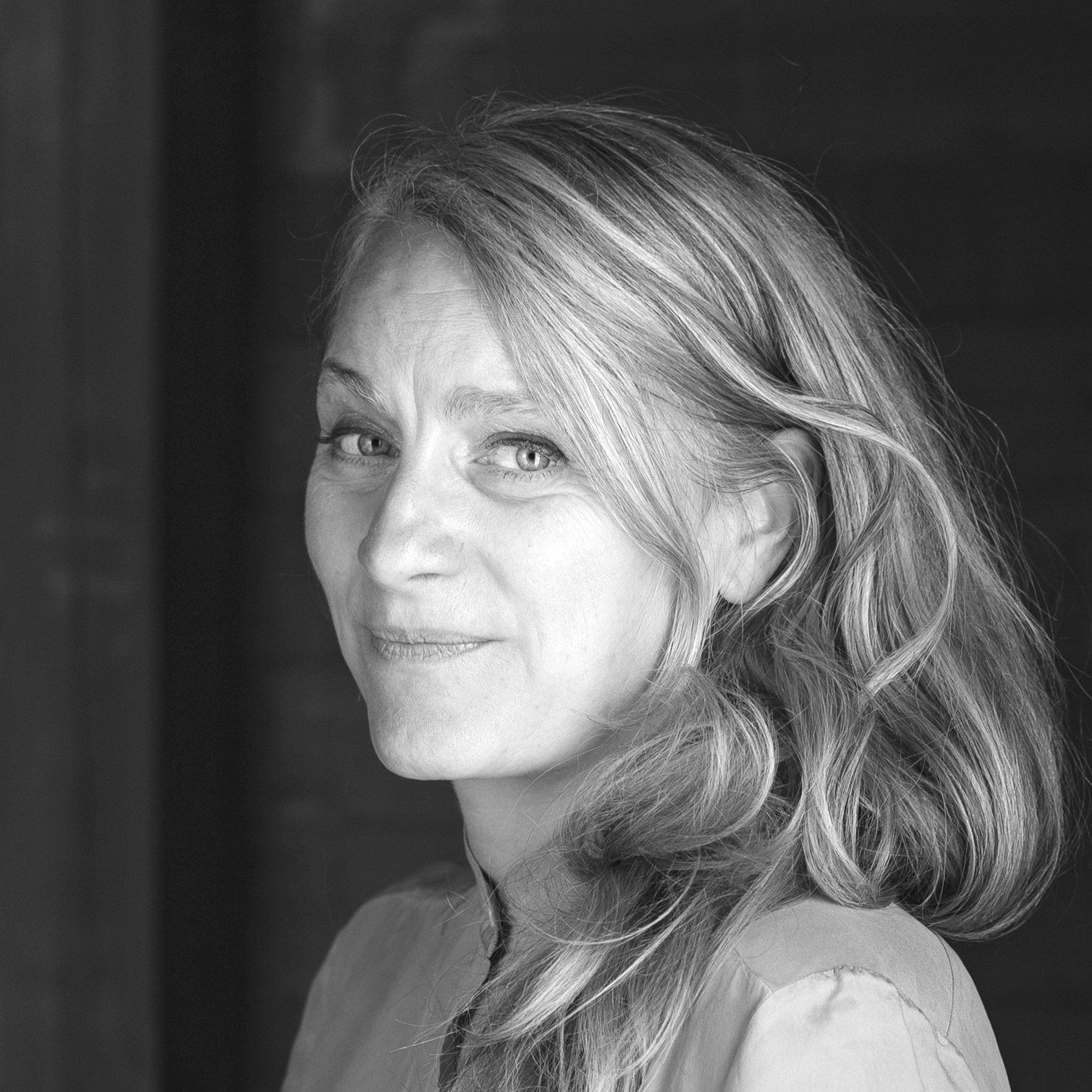
Who is interviewed in the book?
Creativity is more than ideas. It is a choice. Somewhere between courage and curiosity, where we dare to shape something that did not exist before. This book shows how design processes can be used to create innovation across industries – from couture to royalty and other iconic projects to products that have become part of our shared design heritage.
A book about daring to think beyond tomorrow. About shaping meaningful solutions. And about seeing creativity as a way of life that can create value across worlds. With a strong foundation in David Andersen's professional work over two decades, powerful stories and case studies, as well as a series of inspiring and honest interviews with creative minds across industries.
- Anna Balslev, theater director at the Royal Danish Theater
- Else Skjold, Associate Professor, PhD in Design and Sustainability at the Royal Academy
- Eva Harlou, architect MAA, studio owner, and designer
- Holly Dorger, solo ballet dancer with the Royal Danish Ballet
- Lene Tanggaard, professor at the Department of Communication and Psychology at Aalborg University
- Michael König, design manager and independent consultant
- Peter Albrechtsen, sound engineer from the National Film School of Denmark, sound designer, music supervisor, and writer
- Pil Bredahl, designer, curator, and design communicator
- Uffe Frank, fashion designer
- Zarah Voigt, jewelry artist
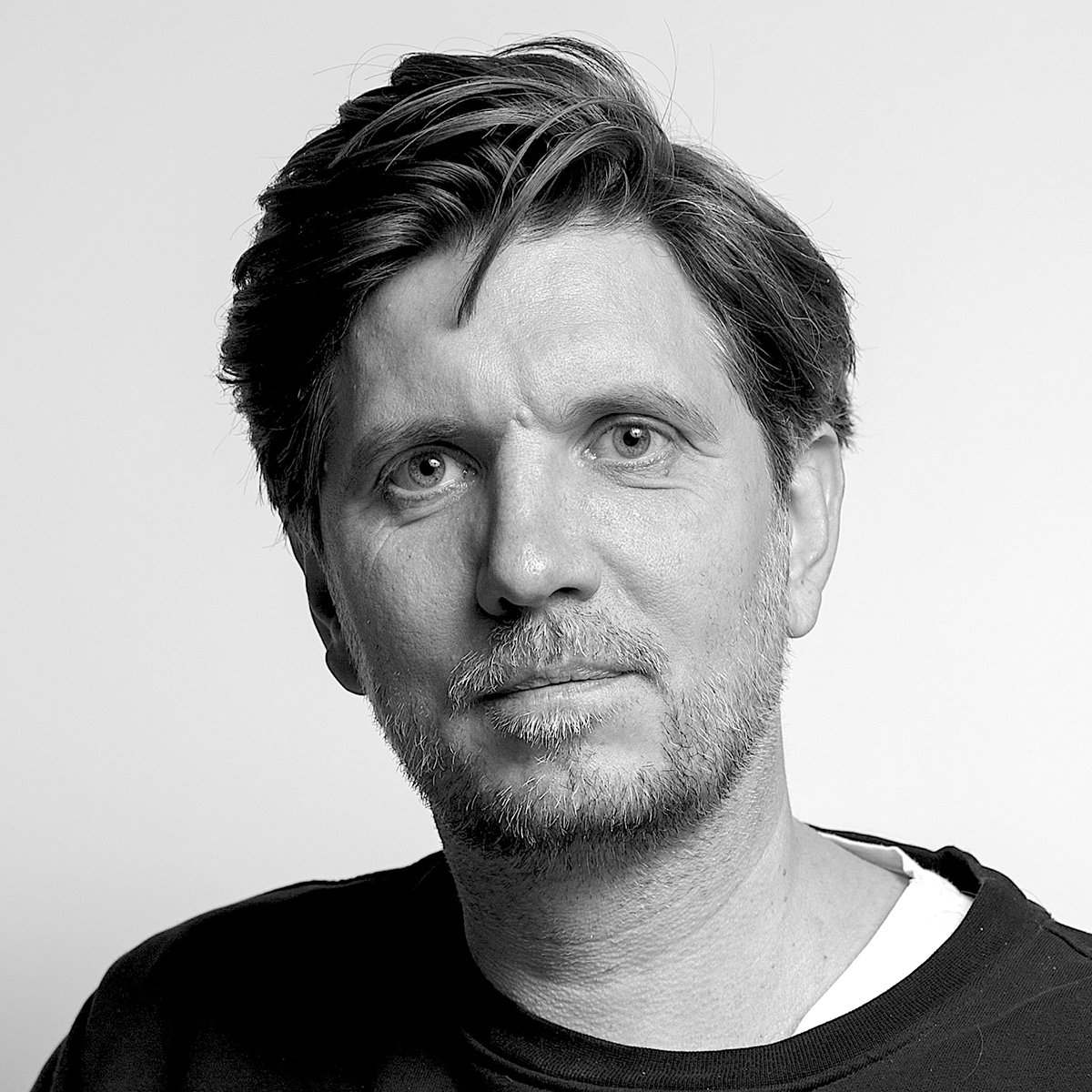
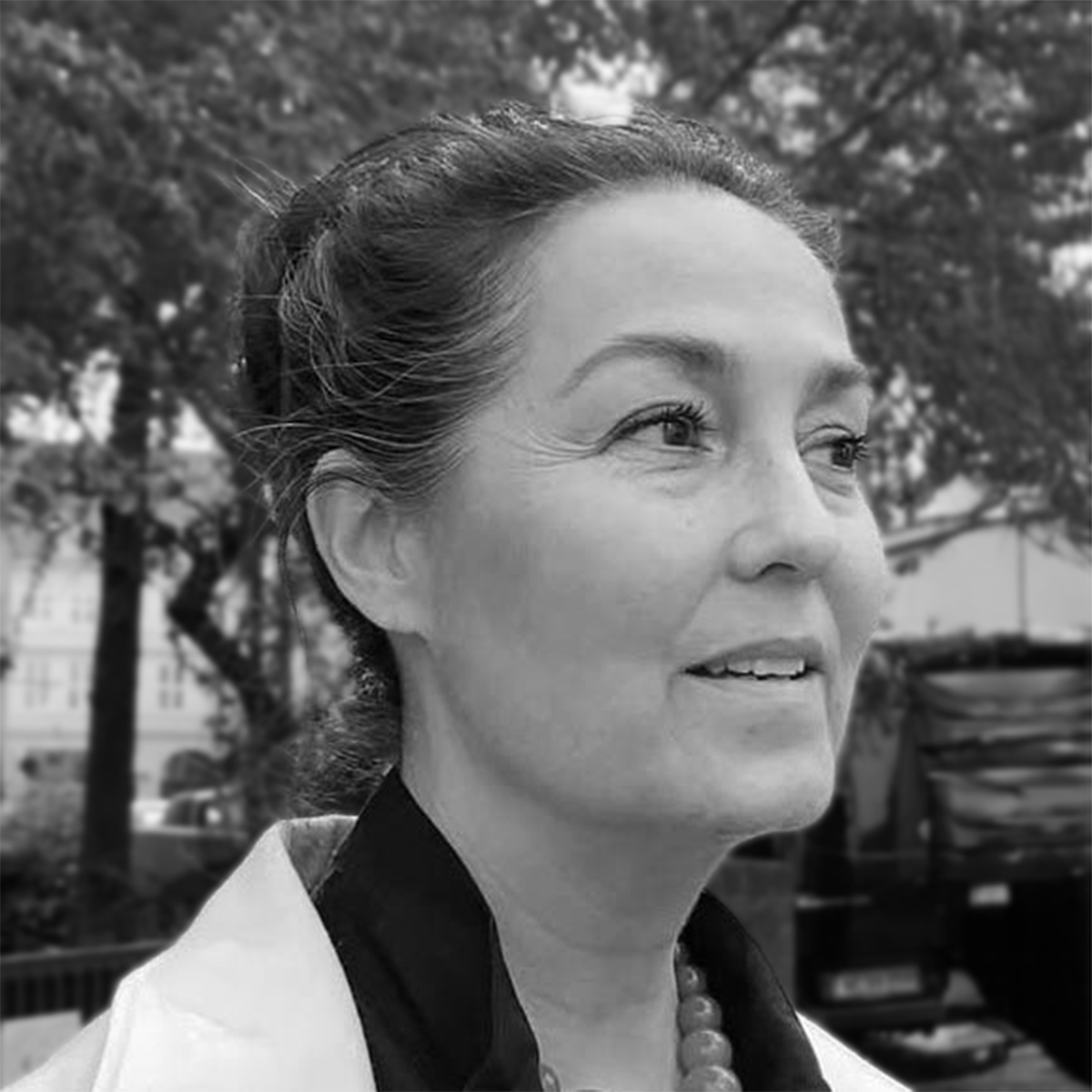


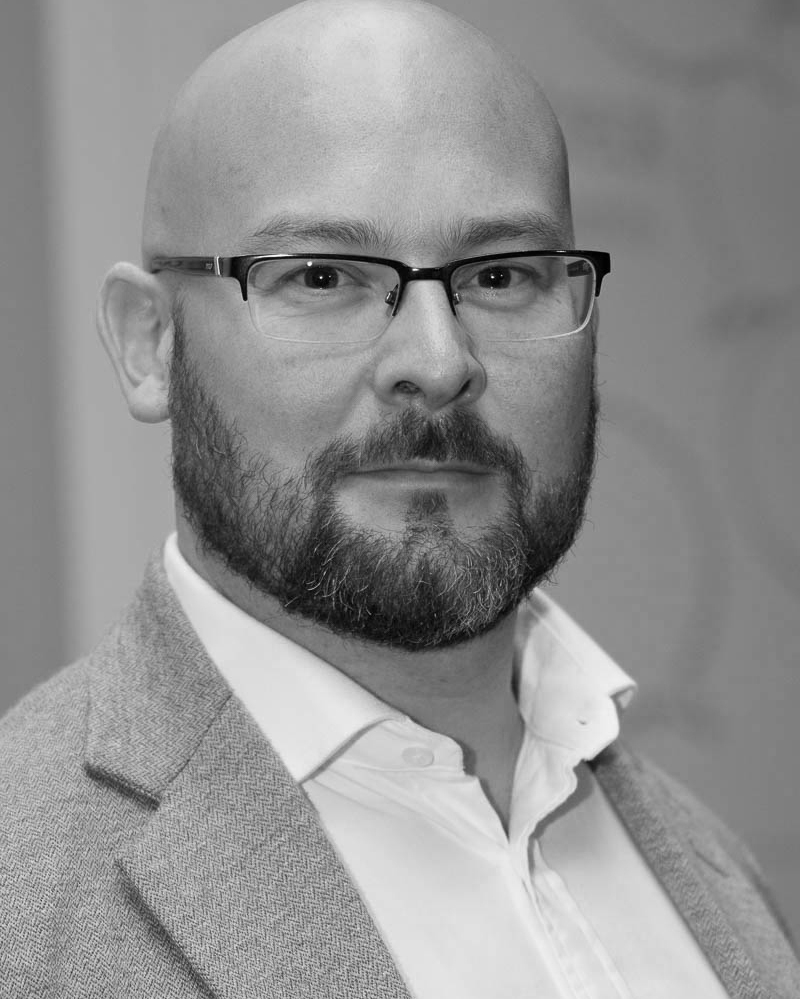

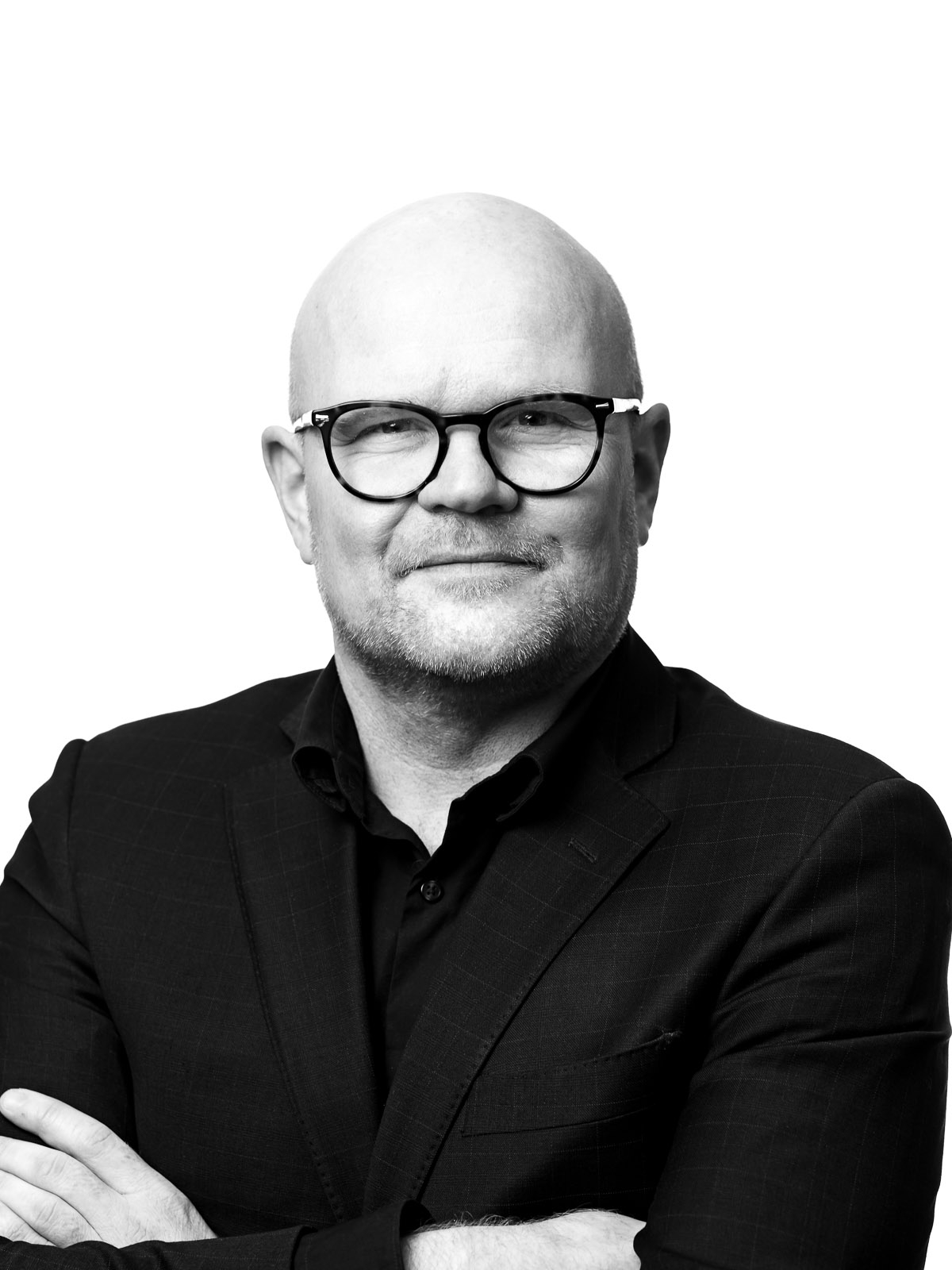
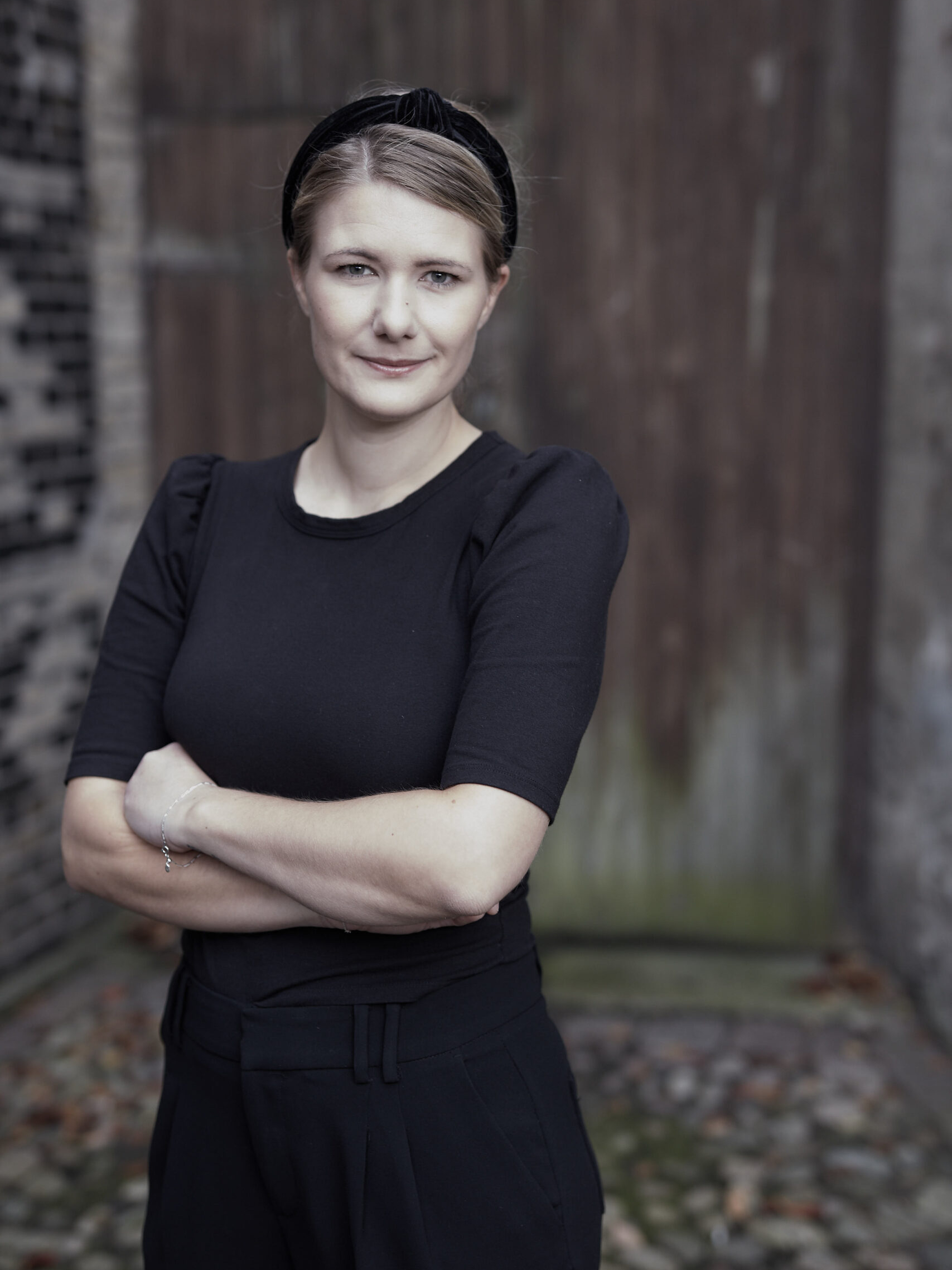
Who wrote the articles?
There are so many strong personalities with valuable experiences that it would be a shame not to collect them. That is why we have invited a number of external writers to contribute articles on everything from how to create good customer service, to what the world's best physical stores look like, to how to create seamless integration between online and offline.
Among the many contributors are:
- Andreas Dirksen & Mette Fruensgaard
- Anna Katrine Matthiesen
- Bugge Holm Hansen & Sofie Hvitved
- Carsten K. Schou Hjæresen
- Christian Vester
- Christie Nielsen
- Dion Guldbjerg
- Helene Mathiasen
- Linda Østergaard
- Martin Jagd Graeser
- Martin Michael Frederiksen
- Martin Sandvad
- Matthew Brown
- Mia Borch Münster
- Morten Suhr Hansen & Niels Vestergaard
- Per Østergaard Jacobsen
- Tim Frank Andersen
Here's what you get
- Insight into design as a method – how design can be used to create innovation across industries and disciplines.
- Concrete examples from practice – experiences from David Andersen's work with couture, iconic projects, and products with a long cultural lifespan.
- Understanding creative decision-making processes – how aesthetics, strategy, materials, and identity interact when something new is being designed.
- Knowledge about interdisciplinary collaboration – how different areas of expertise complement each other and create stronger solutions.
- Design methods for development and management – tools that can be used in innovation, strategy, communication, and teaching.
- Reflections and interviews – perspectives from renowned and inspiring designers and creative personalities.
- A new perspective on creativity – understanding creativity as a choice and a way of life, not just as idea development.
- A common language for the future – inspiration to work more consciously with imagination, responsibility, materiality, and direction in a complex world.
DKK 320,-
Prices are shown in Danish kroner and exclude VAT and fees
The price including VAT is DKK 400 plus fees.
Look!Up in the sky!It's a bird!It's a plane!No, it's Superman!
With reference to the flying hero, one might ask the question:
Is it a book?
Is it a magazine?
No, it's both.
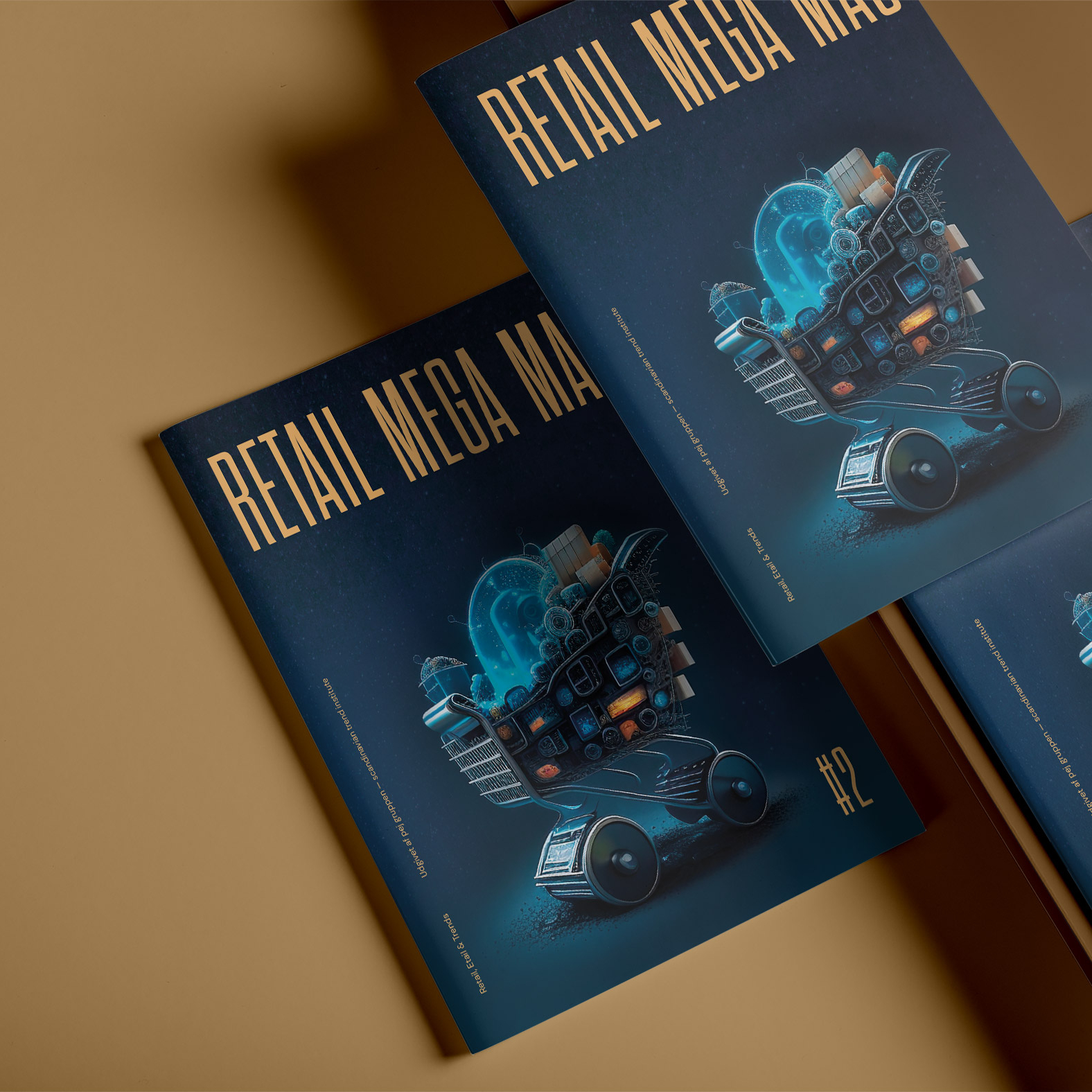
In Retail Mega Mag , we combine the best of a book and the best of a magazine in a new format. The first part, which resembles a book, contains knowledge and insights about consumer behavior, retail, e-commerce, and omnichannel. The second part, which resembles a magazine, contains inspiring articles, each with its own focus area. And we have even added a third element in the form of interviews with relevant cases that are struggling to adapt to the new reality.
The overall content of Retail Mega Mag is the ultimate combination, making it a format that appeals to a wide range of readers – experts, professionals, practitioners, small and large players, teachers, and students.
Case Studies
Retail Mega Mag a series of interviews with relevant and inspiring cases.